USD
USD
 AED
AED
 LB
LB
 DEM
DEM


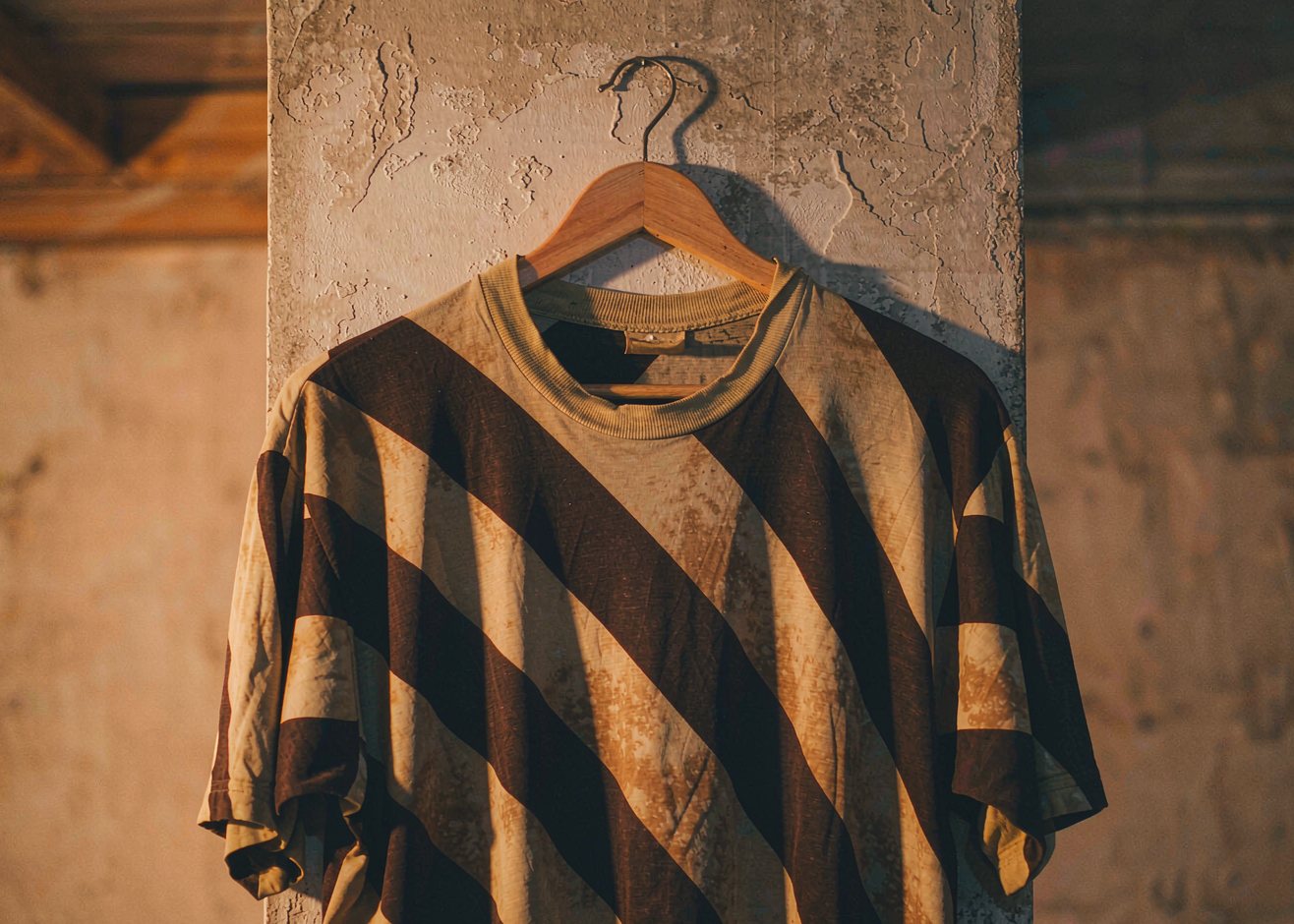

Retro kits never die — they just get more expensive
Every season brings a wave of new shirts, and every season a chunk of supporters ignore them entirely and go looking for something made in 1992. Retro football shirts have moved from a niche collectors’ market into the mainstream of everyday style, and there is a good reason: the best designs of the past forty years simply have not been beaten.
Why the old ones still win
Designers had room to be bold
Before every club needed a template that would look clean on a phone screen, kit makers experimented. Geometric patterns, aggressive collars, gradients that looked like a sunset over a stadium, sponsor logos that have since become nostalgic in their own right. The result was shirts that were instantly identifiable from the far end of a stand.
They are tied to specific teams, not specific seasons
Ask a supporter to name the greatest side they ever watched and they will describe the shirt before they describe the goalkeeper. Great teams lock their kits in memory. That is why a well-chosen retro shirt says more about your football taste than any current-season purchase can.
They suit normal life
Retro shirts were cut for people who were going to stand on a terrace, not sprint for ninety minutes. Loose shoulders, straight hems, relaxed collars — which is exactly what you want when the shirt is going to a gig on Friday night.
Six retro shirt stories worth knowing
- AC Milan, late 1980s. Wide stripes, a badge that did the talking, and a team that won everything in sight. The template for what a football shirt could look like in a fashion magazine.
- Manchester United, 1990s. The kits of that decade are the reason a whole generation of fans still wears collars over a shirt. European nights in particular produced designs that have never been reissued properly.
- Ajax, mid-1990s. A red band across a white shirt, worn by a side that played a brand of football so confident it looked arrogant.
- Nigeria, 1994. One of the first kits to treat a national shirt as a piece of graphic design rather than a uniform. It is still used as evidence that football and fashion belong together.
- Mexico, late 1990s. An unmistakable pattern that turned a tournament shirt into a permanent wardrobe item across Latin America and beyond.
- Argentina, 1986. Thin sky-blue stripes, the greatest individual tournament ever played — enough said.
Custom retro versus true vintage
There are two ways into this world. Original vintage shirts are collectible, fragile and priced accordingly — you are buying history, and you should not be wearing it to a five-a-side game. Custom-made retro jerseys recreate those designs with modern production: accurate patterns, proper sizing across the full range, washable, and affordable enough to actually use. For almost everyone, the second option is the smarter buy.
What to check on a retro remake:
- Pattern accuracy — stripe width, collar shape and badge proportions should match the era.
- Fabric weight — the originals were heavier than modern synthetics, but you still want something that breathes.
- Sizing — retro cuts are looser than player versions. Take the same size you wear in a fan shirt, not a match shirt.
How to wear it
The safest route is a plain outfit and let the shirt lead: dark jeans or chinos, clean trainers, nothing competing for attention. The stronger route is to lean into it — layered under an open jacket, with a straight-leg trouser, treated as a graphic piece rather than sportswear. Either way, do not button it all the way up. No one has ever looked good with the collar closed.
Where to find them
Our retro range is spread across the club shops, and it is where the design history lives. Start with Manchester United, AC Milan and Barcelona, then work through the rest of the collection. If you are between two sizes, check the fan version size guide first — retro fits are generous, and the chart will tell you whether to stay put or step down.