

From terraces to streetwear: how the football shirt conquered fashion
Thirty years ago, wearing a football shirt anywhere other than a match was a statement about where you came from. Today the same shirt sits in designer lookbooks, sells out in minutes, and gets worn with tailored trousers to dinner. The journey from terrace to runway is one of the strangest and most complete cultural crossovers in modern style — and it happened in stages.
Stage one: the shirt as identity
Football shirts were never designed to be fashionable. They were designed to be identifiable: from the far end of a stand, in the rain, at speed. Bold colours, simple shapes, a badge you could recognise from a hundred metres away. That clarity is exactly why they later worked so well as design objects — they were built for instant recognition, not subtlety.
Stage two: terrace culture and the casuals
In the late 1970s and 1980s, British supporters travelling across Europe started bringing home something unexpected: continental sportswear and designer labels that you could not buy at home. Football shirts got absorbed into that wardrobe — worn under an open jacket, paired with trainers and straight-leg jeans, treated as part of an outfit rather than a uniform. Whether the wearers knew it or not, they invented the template that stylists still use today.
Stage three: music makes it mainstream
The nineties did the rest. Britpop bands wore club shirts on magazine covers and in videos, and the shirt stopped meaning “I am at a match” and began meaning “I am from here, this is my city, this is my music”. Once that connection was made, the shirt had a life completely independent of football.
Stage four: the big collaborations
Then fashion came to football, rather than the other way round.
- PSG × Jordan (2018) — the first time a major club put a basketball brand’s logo on a football shirt, and the moment clubs realised their identity could be licensed beyond football entirely.
- Palace × Juventus (2019) — a London skate brand redesigning an Italian giant’s shirt. It sold out almost immediately and has been followed by dozens of imitations.
- Nigeria 2018 — a national shirt so desirable that it became a genuine global fashion item, with pre-orders running into the millions. Final proof that a well-designed football shirt is not niche.
- Designer crossovers — high fashion houses now regularly borrow the visual language of sportswear, and football shirts appear on catwalks that have nothing to do with football.
Why it kept working
Three reasons, and none of them has worn off:
- It is genuinely comfortable. Modern performance fabric beats most casualwear for breathability.
- It is the cheapest way to say something. A shirt communicates loyalty, taste, and a city in one garment — no logos needed on anything else.
- Nostalgia sells. Retro editions now sit alongside new releases in the same shop, because the shirt you wore as a child is the one you will pay to wear again.
How to style a jersey without looking like you are on the way to training
- Keep everything else plain. One pattern, one loud colour. Dark trousers, simple shoes.
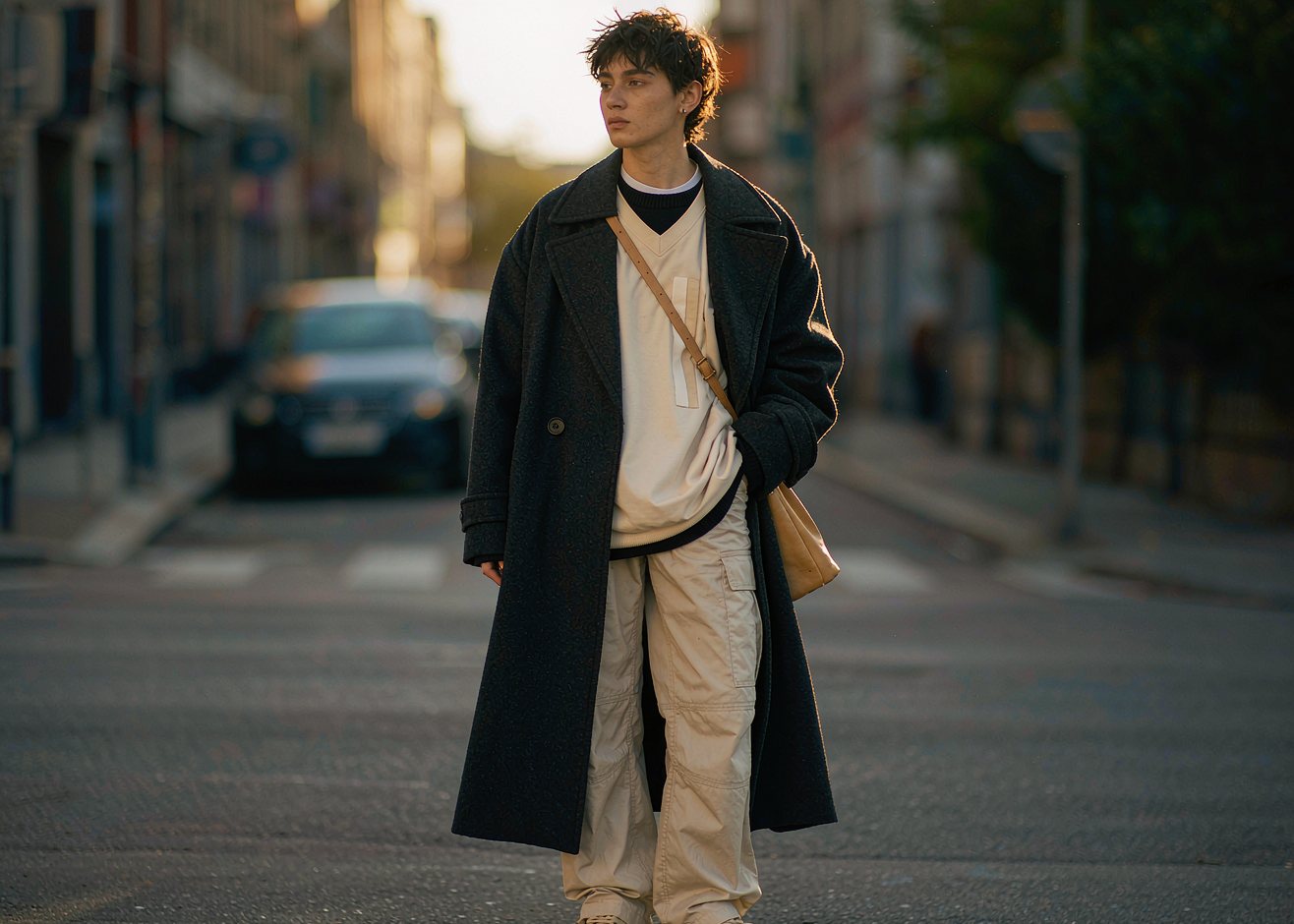
- Go oversized, deliberately. A shirt one size up reads as streetwear; a shirt that is exactly your size reads as sportswear.
- Choose vintage over current for smart-casual. Old designs sit better with tailoring than this season’s training templates.
- Layering is your friend. Under an open jacket or over a long-sleeve tee, the shirt becomes a piece rather than an outfit.
Where football and fashion meet in our shop
The best starting point for anyone browsing with style in mind is the retro range — patterns made before “minimal” became the default. Try AC Milan’s stripes, the Manchester United collection, or the wide Barcelona and Bayern Munich ranges. Then decide whether you want a fan shirt for everyday comfort or a player version for the sharper, sportier fit — our buying guide explains the difference and the sizing.